Teams with an AI idea but no PoC boundary
Teams that need to turn a promising AI topic into a measurable 90-day PoC instead of a broad innovation slogan.
AI PoC
In-Stars reframes streetlight innovation, smart care, 3C3I, and energy cases into a reusable consulting method: challenge, approach, outcome, and the next PoC.
Submit an initial PoC request
Who This Is For
If the topic is already important but the scope, evidence, owner, or budget decision is still unclear, In-Stars can help organize the first practical path.
Teams that need to turn a promising AI topic into a measurable 90-day PoC instead of a broad innovation slogan.
Teams that must coordinate user scenario, data, prototype, validation site, and acceptance criteria.
Decision makers who need evidence, risk, and expected outcomes before funding development.
Consultation Flow
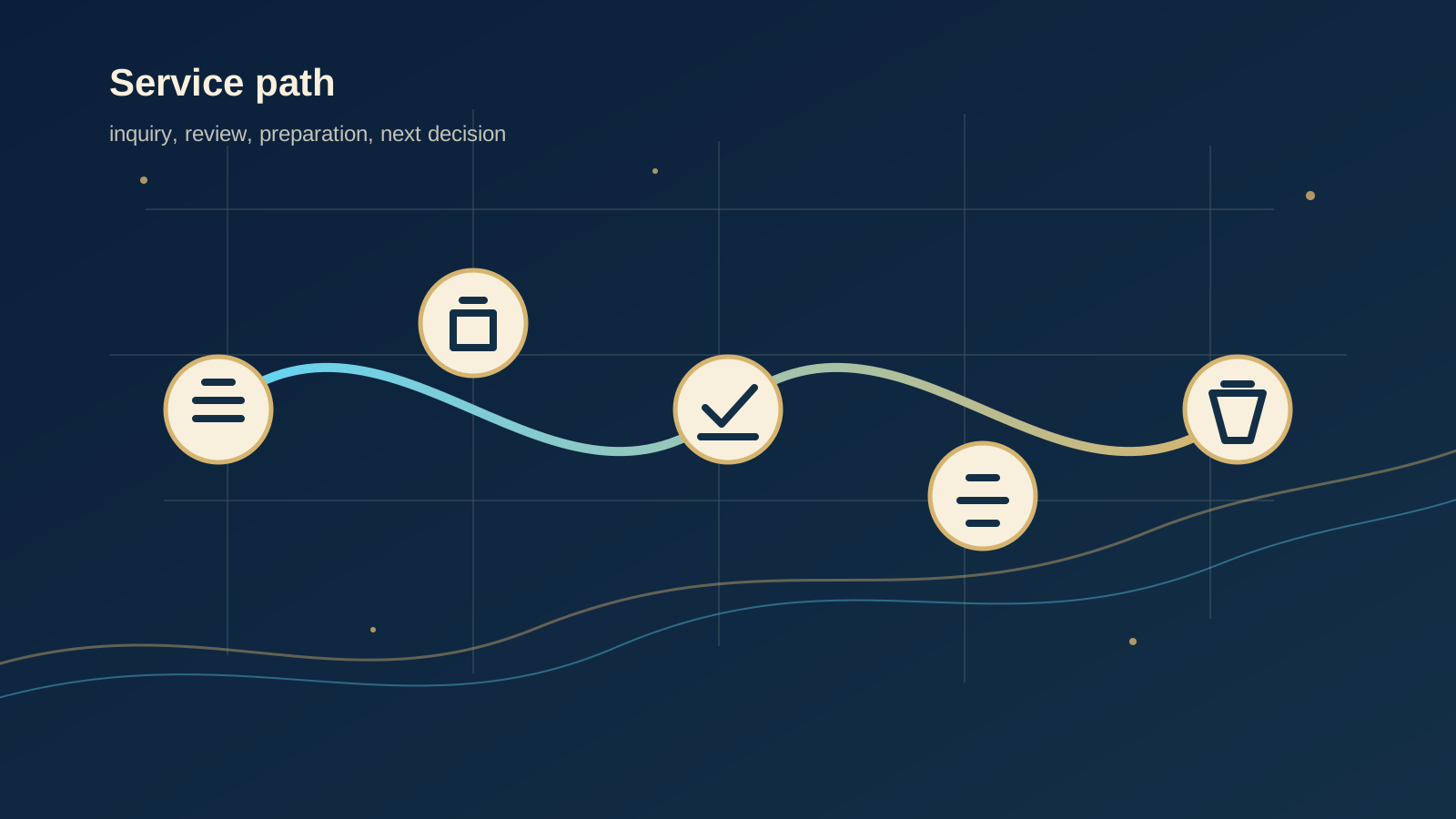
In-Stars reframes streetlight innovation, smart care, 3C3I, and energy cases into a reusable consulting method: challenge, approach, outcome, and the next PoC.
Define the business problem, user, field constraint, and why AI is needed.
Define data scope, prototype scope, process owner, validation field, and acceptance metric.
Check data availability, integration limits, compliance, model risk, and operating preparation.
Turn the PoC idea into a scope sheet, evidence checklist, validation criteria, and project note that management or partners can use to decide the next step.
Decision Prep
A PoC should begin with a clear explanation of what will be tested, what evidence will be collected, who will judge the result, and what decision follows.
Explain the pain point, current workaround, target user, and expected business impact.
Prepare sample data, device or system constraints, available APIs, and privacy limits.
Decide who owns the pilot and which metric proves it is worth continuing.
Outputs
The first output is a decision package: what to do next, what evidence is missing, who should own it, and whether the topic is ready for a proposal, grant, training plan, or PoC.
A bounded plan with the problem, target user, scope, owner, validation field, and success criteria.
A practical checklist of sample data, system limits, integration points, privacy constraints, and evidence to collect during the pilot.
A partner or internal approval note with milestones, roles, validation criteria, risk notes, and the next decision point.
Timeline And Boundaries
Decide whether the topic is ready for a PoC or still needs training and data cleanup.
Prepare the scope sheet, evidence checklist, validation criteria, risk notes, and decision-owner alignment.
A typical PoC should test one focused problem, collect evidence, and support a clear continue-or-stop decision.
Consultation Prep
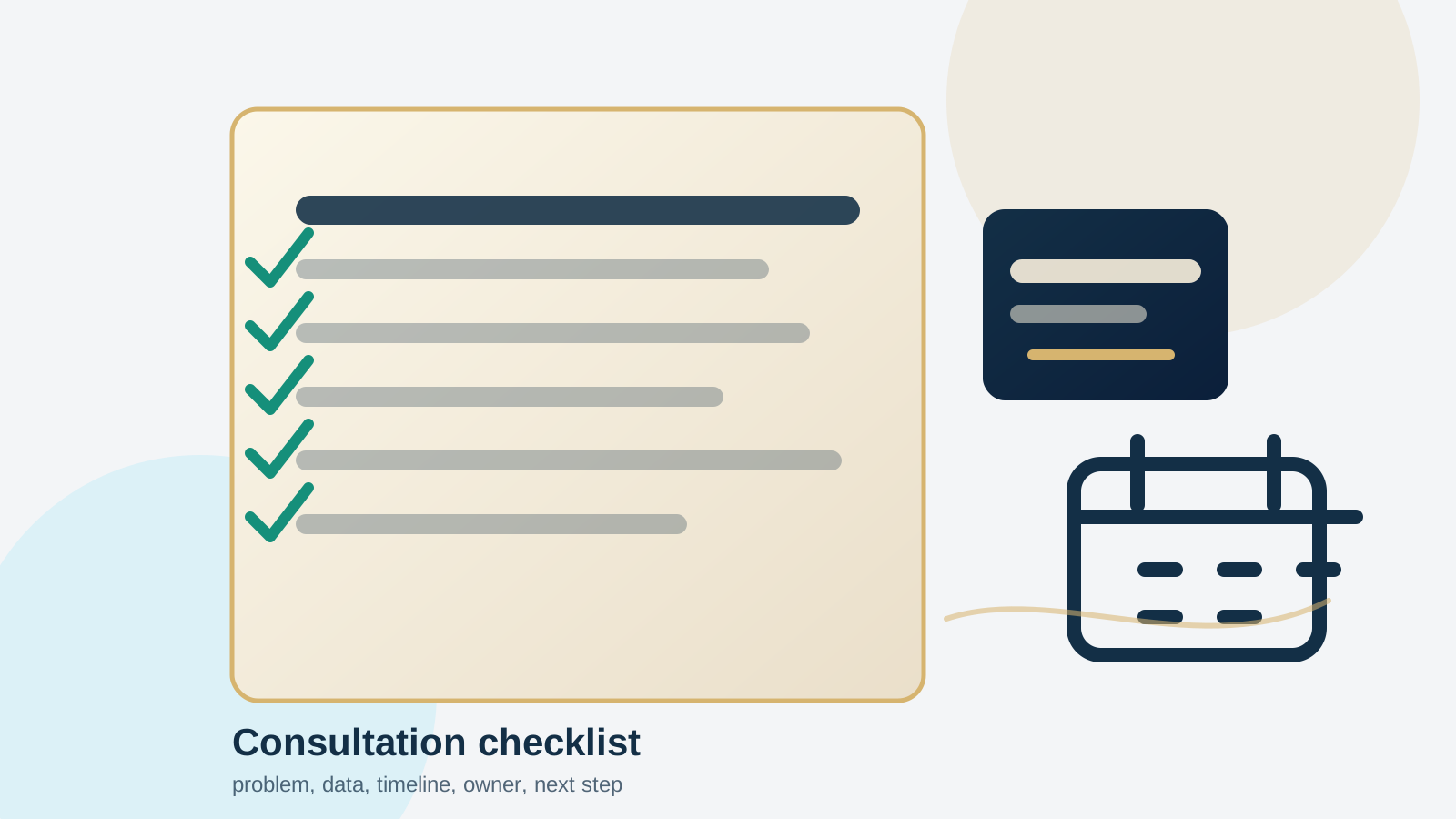
Bring one business problem, one user scenario, available data, known constraints, and the success metric that would justify the next investment.
Explain the pain point, current workaround, target user, and expected business impact.
Prepare sample data, device or system constraints, available APIs, and privacy limits.
Decide who owns the pilot and which metric proves it is worth continuing.
Share the current business topic and expected outcome. In-Stars will help choose the right next step across AI consulting, grant assessment, industry-academia collaboration, Japan DX (Digital Transformation), or PoC planning.